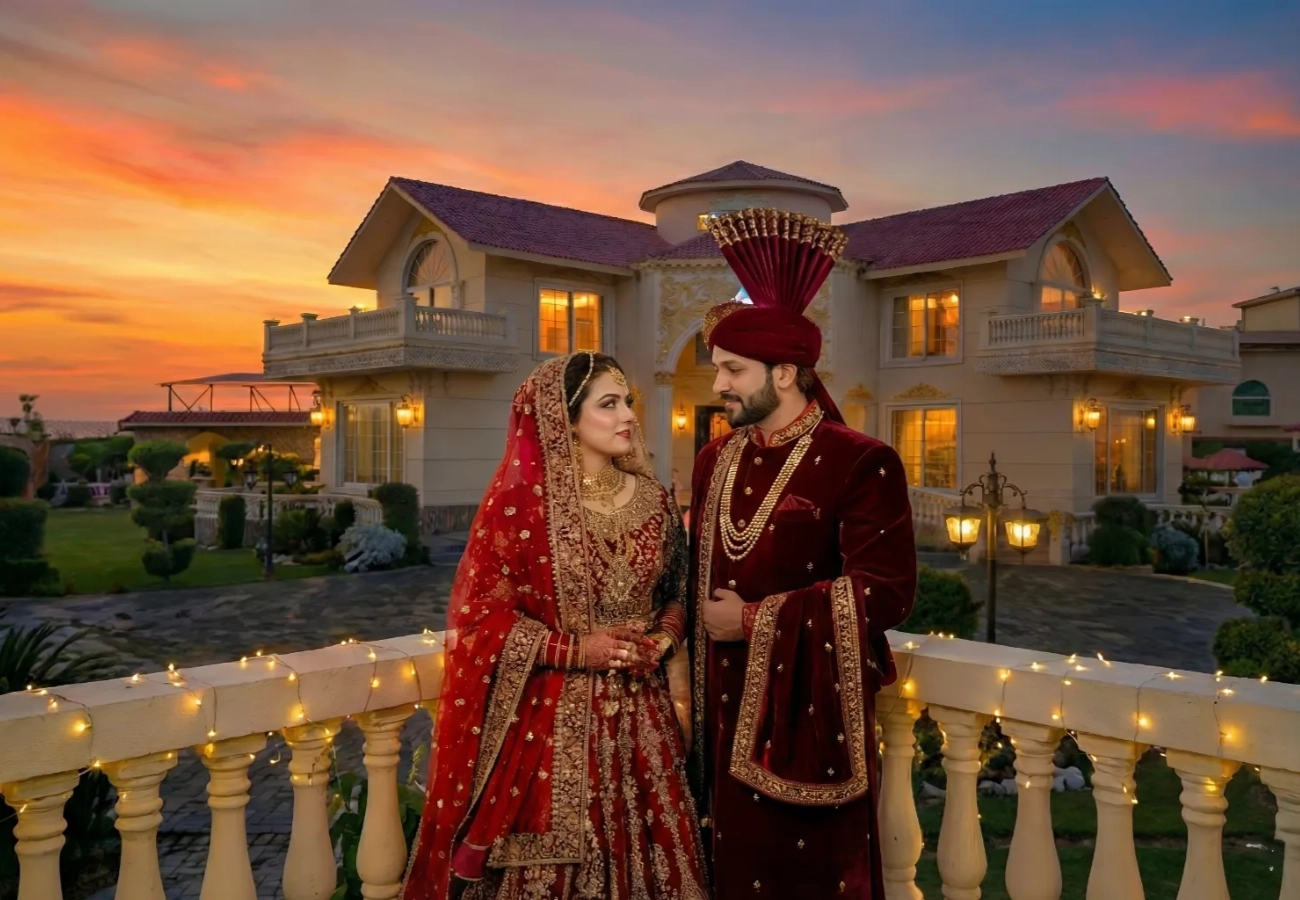
How to Take Cinematic Couple Photoshoots: Poses, Lighting & Location Tips
Introduction: Why Cinematic Couple Photoshoots Are Rising in 2026
The Rise of Cinematic Photography in Modern Storytelling
Bold, cinematic visuals are reshaping today’s creative world, and photoshoots couple photoshoot styles are quickly becoming the preferred way to capture emotion. In 2026, couples want more than just pictures—they want their memories to look like scenes from a movie. This shift is driven by the rising desire for emotional storytelling, where every image feels personal, meaningful, and visually rich. Instead of stiff poses or traditional portraits, today’s couples prefer soft lighting, dramatic compositions, and genuine expressions that reflect their real connection.
How Social Media Drives Cinematic Couple Photography
Social platforms like Instagram, TikTok, and Pinterest have transformed photography trends. Audiences now gravitate toward movie-like visuals—warm tones, lens flares, slow-motion moments, and storytelling sequences. As creators share these cinematic images online, the demand for similar photos has skyrocketed. Couples want pictures that feel aesthetic, dreamy, and “scroll-stopping,” making cinematic styles one of the biggest photography trends of 2026.
Short-form video platforms also contribute to this rise. Behind-the-scenes clips of couple shoots are going viral, encouraging more people to explore cinematic themes for engagements, anniversaries, pre-weddings, vacations, or personal creative projects.
The Role of AI Tools in Creating Cinematic Effects
Artificial Intelligence has become a game-changer in the world of cinematic couple photography. Modern AI-powered apps can simulate lighting, generate color grading previews, remove distractions, and even suggest poses based on mood and location. These tools help both beginners and professionals achieve polished, film-like results with minimal effort.
AI also speeds up the workflow—making editing faster, helping photographers match consistent tones, and creating a more cinematic finish without spending hours on manual adjustments.
What Makes a Cinematic Couple Photoshoot?
Understanding the Essence of Cinematic Photography
A truly memorable image begins with emotion, and a cinematic couple approach transforms a simple couple photoshoot into a powerful visual story. Unlike traditional portraits, cinematic photography focuses on depth, mood, and a film-like atmosphere. It’s not just about capturing faces—it’s about capturing the feeling between two people. This style blends artistic lighting, meaningful poses, and thoughtful framing to create photos that feel like scenes from a movie.
Core Elements That Define Cinematic Style
A cinematic couple photoshoot relies on three major elements: mood, storytelling, and authenticity. Mood is created through lighting choices—soft sunsets, dramatic shadows, or warm indoor tones. Storytelling emerges through movement, expressions, and the environment, helping viewers feel the moment even without context. Authenticity ties everything together, as genuine emotions make the images relatable and timeless.
Where traditional photography focuses on technical accuracy, cinematic photography embraces atmosphere. Slight motion blur, wind-blown hair, and candid smiles all contribute to a sense of realism and emotional depth.
Creating Storytelling Moments Through Mood and Depth
Cinematic-style photos use depth to guide the viewer’s eye. This can be achieved through foreground elements like flowers, lanterns, books, or railings that add layers to the frame. Lighting also plays a major role—rim lights, sun flares, and soft glows help create a dreamy, film-inspired mood.
Couples are encouraged to move naturally—walking hand in hand, sharing a quiet laugh, or holding each other during a soft moment. These gestures bring the story to life.
Film-Inspired Compositions That Elevate the Shoot
Cinematic photography often mimics techniques used in movies, such as rule-of-thirds framing, widescreen compositions, or using leading lines from architecture or landscapes. These elements create drama and elegance, turning each image into a cinematic frame.
Understanding Cinematic Couple Photoshoots Trends 2026

Why Cinematic Styles Are Dominating Visual Culture
A major shift in modern photography is the rise of cinematic couple photoshoots, which are shaping how creators plan a lovers’ photoshoot in 2026. This trend reflects a growing preference for movie-like emotions, atmospheric lighting, and storytelling that feels authentic and expressive. Instead of staged or overly polished images, couples increasingly prefer visuals that look natural yet artistic—similar to scenes from their favorite films.
The rise of short-form content has also accelerated this trend. People share more visual moments than ever, and cinematic styles stand out instantly, making them ideal for social media, portfolios, and creative documentation.
The Shift Toward Film-Like Color Tones
One of the most recognizable aspects of modern cinematic photography is the use of film-inspired color palettes. In 2026, warm amber tones, teal-and-orange contrasts, soft highlights, and gentle shadows are becoming the standard. These tones add emotional depth and create a sense of cohesion across a full photoshoot collection.
Even photographers who don’t use physical film cameras now replicate the look digitally, blending AI-powered grading with traditional editing techniques.
How AI Enhances Grading, Composition, and Planning
Artificial Intelligence is a major driving force behind the popularity of cinematic visuals. AI tools can now:
• Suggest film-like color grading presets
• Simulate lighting before the actual shoot
• Recommend framing ideas based on the environment
• Analyze facial expressions to capture natural moments
These tools help even beginners produce professional, cinematic results while reducing editing time.
AI also improves composition by identifying balanced angles, foreground layers, and storytelling poses—making the process smoother and more intuitive.
Why Cinematic Visuals Perform Better Online
Cinematic imagery captures attention quickly, making it ideal for digital audiences. These photos convey emotion, atmosphere, and visual depth, which increases viewer engagement. In online spaces where countless images compete for attention, cinematic shots often generate more likes, shares, and saves.
For anyone planning a lovers’ photoshoot, adopting these 2026 cinematic trends can significantly elevate the visual impact.
Essential Poses for Lovers’ Photoshoot
Understanding the Importance of Thoughtful Poses
Planning a lovers’ photoshoot begins with choosing poses that feel natural, expressive, and visually strong. In cinematic photography, the goal isn’t to imitate movie scenes perfectly but to capture emotion, connection, and storytelling in a respectful, artistic way. When poses are planned well, they help create depth, improve composition, and build a cohesive visual narrative. These poses also give photographers a clear direction, making each shot more intentional.
Simple and Expressive Close-Up Poses
Close-up poses work well because they highlight details—expressions, hands, or small movements—that tell a story. These are not about being overly intimate; instead, they focus on genuine emotions like shared laughter, thoughtful expressions, or natural reactions. Photographers can use angles that emphasize eyes, soft gestures, or environmental elements in the background. Close-ups help achieve a cinematic tone by drawing attention to emotion rather than location.
Movement-Based Poses for Dynamic Shots
Movement is one of the strongest tools in cinematic photography. Instead of stiff still frames, many photographers encourage simple actions—walking side by side, turning toward each other, or interacting with the surroundings. Even basic steps like adjusting clothing, holding an object, or exploring the scenery create natural flow. This motion adds life to the frame, making the images feel more authentic and visually compelling.
AI tools can help preview movement effects, suggesting the best angles for flowing hair, fabric, or natural gestures.
Silhouettes and Dramatic Framing

Silhouette poses are popular because they instantly create drama and mood. By placing subjects in front of a sunset, city lights, or soft indoor glow, photographers can craft outlines that look artistic and cinematic. Dramatic framing—using doorways, windows, trees, or architecture—adds depth and symmetry to the shot.
These visual techniques make a lovers’ photoshoot feel polished and expressive without requiring complex posing.
Lighting Tips for Cinematic Couple Photoshoots
Why Lighting Shapes Every Cinematic Moment
In any lovers’ photoshoot, lighting is the foundation that transforms ordinary images into cinematic visuals. The right lighting helps create mood, enhance emotion, and add dimension to the scene. Whether you’re shooting outdoors or indoors, mastering lighting techniques is one of the most important skills for achieving film-inspired results. With 2026 photography trends embracing cinematic depth, understanding how light behaves—and how AI tools can enhance it—elevates every image.
Golden Hour: Nature’s Most Cinematic Light
Golden hour lighting is a favorite among photographers because it produces soft, warm tones that feel naturally cinematic. The sun sits low in the sky, reducing harsh shadows and creating a flattering glow around the subjects. For couple photography, golden hour adds depth and a peaceful, storytelling quality to each frame. Positioning the couple slightly angled toward the light helps capture balanced highlights and soft shadows, perfect for emotional, film-like results.
Backlighting and Rim-Light Effects for Drama
Backlighting is a core cinematic technique where the light source is positioned behind the subjects. This creates glowing outlines—known as rim light—that separate the couple from the background. Rim lighting adds drama, enhances silhouettes, and gives the image a dreamy, atmospheric quality. This technique works especially well during sunrise, sunset, or even in indoor setups where light passes through windows.
Cinematic Shadows and Contrast for Mood
Shadows add storytelling power. Using controlled shadows—through blinds, trees, or architectural elements—helps create depth and visual interest. High-contrast lighting gives the scene a bold, dramatic look often found in classic films.
AI Lighting Simulation Tools
AI tools now allow photographers to preview lighting effects before the shoot. These tools simulate golden hour, backlight intensity, color temperature, and shadow patterns to help plan shots more efficiently. They’re especially useful for maintaining consistency and achieving a cinematic tone effortlessly.
Choosing the Perfect Locations for Cinematic Couple Shoots

Why Location Matters in Every Cinematic Frame
Selecting the right environment is essential for shaping the mood and storytelling of a lovers’ photoshoot. In cinematic photography, the location isn’t just a background—it becomes an active part of the narrative. The setting helps define depth, atmosphere, and the overall style of the images. Whether urban, natural, or indoor spaces, each environment brings unique visual strengths that can enhance the film-like quality of the entire shoot.
Urban Locations: Architecture, Lights, and Motion
Urban settings offer strong structural elements that work beautifully in cinematic shots. Tall buildings, modern lines, street reflections, and city lights all provide dynamic backdrops. Photographers can use leading lines like sidewalks, bridges, or railings to guide the viewer’s eye naturally through the frame. Night scenes with neon lights also add vibrant color palettes, perfect for creating dramatic or modern cinematic tones.
Urban locations are ideal for themes involving movement—walking sequences, dynamic angles, or wide-frame shots.
Nature-Based Locations for Soft and Atmospheric Shots
Natural environments such as forests, beaches, fields, or hilltops offer organic light, texture, and depth. Cinematic scenes thrive in nature because elements like long grass, trees, water, and open skies add layers that help build mood. Using foreground elements—flowers, branches, or rocks—creates depth and a storytelling feel. Sunsets or cloudy weather can intensify soft, film-like tones that elevate the final aesthetic.
Indoor Locations for Cozy, Controlled Cinematic Moods
Indoor settings such as studios, cabins, resorts, or themed rooms allow complete control over lighting and styling. Windows, curtains, door frames, and furniture create natural frames that enrich composition. Soft lamps, shadows, or warm lighting help achieve an intimate, cinematic atmosphere without relying on weather changes or outdoor lighting.
Building Atmosphere Through Effective Use of Setting
The strongest cinematic images blend location with emotion and composition. Depth, layers, and thoughtful framing turn a simple space into a storytelling asset. By choosing locations intentionally, photographers can create cohesive, film-inspired visuals that feel polished and engaging.
Styling, Outfits & Props for Cinematic Images

Why Styling Matters in a Cinematic Lovers’ Photoshoot
Every detail in a lovers’ photoshoot contributes to the cinematic mood, and styling is one of the strongest tools for creating emotional depth. While lighting and location build the visual framework, outfits and props help define the story. In 2026, cinematic photography is shifting toward intentional styling choices—colors that evoke emotion, props that give context, and AI tools that help photographers visualize different looks before the shoot begins. Thoughtful styling transforms simple frames into film-like moments that feel polished and expressive.
Color Palettes That Add Emotion to Cinematic Images
Color plays a major role in shaping atmosphere. Warm tones like beige, brown, and rust create cozy, nostalgic moods, while cool palettes such as navy, forest green, or charcoal add drama. Coordinated outfits help maintain harmony within the frame, ensuring that the subjects stand out without overpowering the environment. Subtle patterns, soft fabrics, and neutral tones work especially well with cinematic lighting, allowing highlights and shadows to blend smoothly.
Photographers often choose colors based on the environment—earthy tones for nature, sleek minimal colors for urban settings, or warm indoor shades for cozy indoor scenes.
Props That Help Tell the Story
Props are not used as decoration but as storytelling elements. Items like books, umbrellas, lanterns, scarves, bicycles, or flowers help create meaningful context. When chosen carefully, props add layers to the composition and guide the viewer’s eye. Even environmental props—like window frames, staircases, or public benches—can enhance the cinematic mood without distracting from the subjects.

AI Tools for Previewing Outfits and Styling Concepts
AI-powered platforms now allow photographers to test outfit pairings, color palettes, and prop combinations before the shoot. These tools simulate lighting, background tones, and even fabric flow, helping creators choose cohesive looks. This makes planning smoother and ensures that the final visuals match the cinematic concept perfectly.
Conclusion
Mastering modern photography starts with understanding how AI enhances a lovers’ photoshoot, helping creators blend emotion and technology with ease. As visual trends evolve in 2026, photographers who upskill gain a strong advantage in producing cinematic couple imagery that feels intentional and story-driven. AI tools streamline planning, styling, and editing, allowing artists to create deeper mood, richer tones, and film-like depth. LAI’s global online courses support learners everywhere, offering practical training that strengthens creativity and boosts confidence for photoshoots couple photoshoot projects, ultimately preparing photographers to excel in today’s fast-growing world of cinematic couple storytelling.
You must be logged in to leave a comment.
Comments (0)